

Deep Brain Stimulation
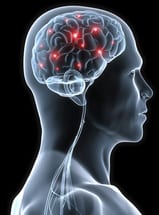 Deep brain stimulation, also known as DBS, is a surgical procedure used to treat individuals suffering from movement disorders and certain neurological conditions. During deep brain stimulation surgery, a device called a neurostimulator is surgically inserted into specific parts of the brain. This device then delivers electrical signals to the areas of the brain that control movement. Constant pulses of electrical charge are transmitted to restore normal brain rhythms, which helps to restore normal movements. Deep brain stimulation surgery may be an option for patients with severe movement disorder symptoms that cannot be completely controlled by medication.
Candidates for Deep Brain Stimulation
Deep brain stimulation may be an effective treatment for patients with Parkinson's disease whose symptoms have not responded to medication or other therapies. Individuals who also may benefit from deep brain stimulation surgery, include those with the following conditions:
- Dystonia
- Essential tremor
- Arm tremors from multiple sclerosis
Deep brain stimulation may also be considered as an experimental treatment for Tourette syndrome, epilepsy, depression and obsessive compulsive disorders.
Deep Brain Stimulation Surgery
Prior to the DBS surgery, an MRI or CT scan is performed to identify the areas in the brain where the electrodes will be placed. The surgery normally takes place in two phases, spaced about a week apart. During the first phase, electrodes are surgically placed in the brain, and a wire is implanted under the skin. During the second phase, a small device called a neurostimulator is implanted under the skin of the chest. This battery-operated device is similar to a pacemaker for the heart and is designed to deliver electrical stimulation to the areas of the brain that control movement. The device is connected to the electrodes that have been implanted in the brain, in order to directly deliver the electrical signals.
Recovery and Results of Deep Brain Stimulation
Patients are given antibiotics after the procedure to prevent infection. A few weeks after surgery, the neurotransmitter is activated in the doctor's office. The doctor programs the neurotransmitter and the amount of stimulation is customized to the individual's needs. Deep brain stimulation cannot cure a disease or fully eliminate a condition, however, it may help to reduce symptoms. This treatment may not be effective for everyone and many patients may still need to take medication to treat their condition, although dosages may be reduced.